
The Real Cost of IoT Mobile App Development
What it actually costs to build and maintain a hardware-connected health app.
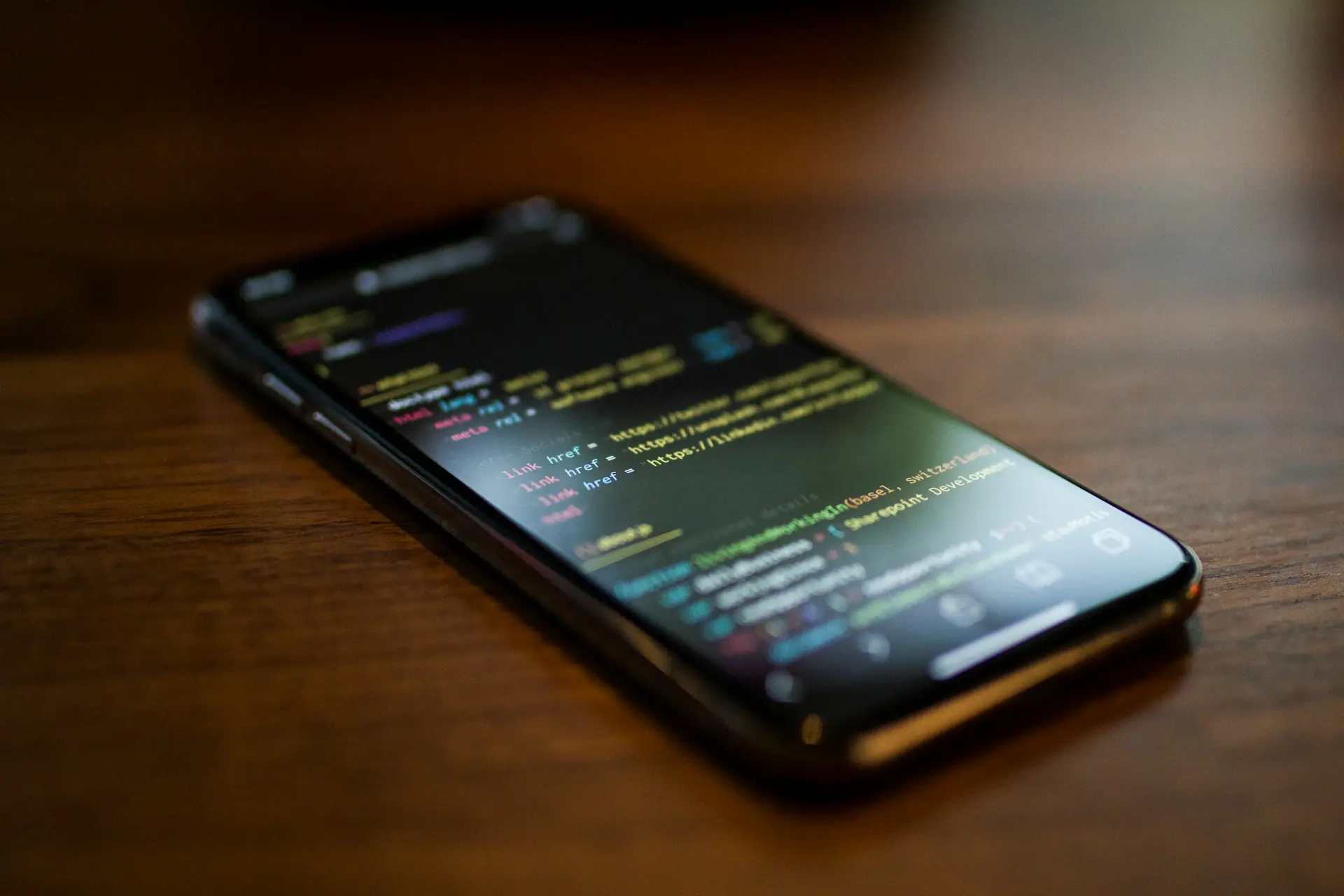
Building a mobile app that connects to physical hardware is fundamentally different from building standard software. When an app must pair via Bluetooth, provision WiFi, and sync data to a cloud service, the project becomes a serious engineering challenge. Before starting, teams need to understand both the initial investment and the ongoing costs of maintaining a hardware-to-cloud ecosystem.
One-Time Development Costs
Initial development for a professional IoT application typically ranges from $100,000 to $250,000. This covers design, engineering, and testing for a version 1.0 on iOS and Android.
Bluetooth Low Energy Integration
Stable connections between a phone and a device require mapping Generic Attribute Profile (GATT) characteristics, the specific data points your hardware exposes such as battery levels, weight readings, or body composition metrics.
Engineers write custom code to discover, pair, and bond with hardware. Android and iOS handle Bluetooth differently. Android requires specific location permissions and handles connection drops with less predictability, so developers build custom retry logic to ensure the app reconnects automatically. This phase often costs $30,000 to $50,000.
The hardware side of BLE integration is typically a one-time cost. The app side is not. Apple and Google change Bluetooth permissions, background behavior, and battery optimization with each major OS release. Code that worked last year may silently fail after an update. Maintaining stable BLE connections across both platforms is an ongoing expense, not a line item you can close out.
WiFi Provisioning
Connecting a headless device to a WiFi network is a common failure point, and the mobile app acts as the bridge. The process involves connecting via Bluetooth, receiving a list of available WiFi networks from the hardware, and passing encrypted credentials back to the device.
Building a setup wizard that guides users through this requires synchronization between hardware states and software UI. Handling timeouts and errors gracefully adds $20,000 to $35,000 to the build.
Cloud Architecture and Data Sync
A scalable backend stores user accounts and device data. Most IoT projects use “Device Shadows,” virtual representations of hardware in the cloud. When a device goes offline, the app interacts with the shadow to see the last known state.
Architects choose between protocols like MQTT or standard HTTPS. Setting up the database, user authentication, and API layers usually costs $40,000 to $60,000.
Over-the-Air Infrastructure
Hardware requires firmware updates to fix bugs or add features. The mobile app facilitates these updates by downloading a binary file from the cloud and transferring it to the hardware over Bluetooth.
This is a high-risk feature. A failed update can brick the hardware. Developers implement checksums to verify file integrity and rollback procedures for failures. A secure OTA pipeline adds $15,000 to $30,000.
The Limits of Cellular Connectivity
Some teams attempt to bypass the app requirement by using cellular-only devices (LTE-M or NB-IoT). This removes the WiFi provisioning step but introduces new costs and limitations.
Carrier Certification. Cellular devices require lab testing (PTCRB) that adds $30,000 to $50,000 in upfront costs. Using end-device certified modems can reduce this, though these components increase per-unit costs. Power and Design Constraints. Cellular modems consume more power than BLE. While larger devices like scales can accommodate larger batteries, the power draw dictates charging frequency and the size of the internal power system. This often forces a bulkier design.
Lack of Local Control. Users cannot reconfigure devices or perform local diagnostics without a local app interface. You are restricted to a single pre-provisioned cloud path with no local fallback if the cellular signal is weak, a common issue in modern bathrooms and high-rise buildings.
Recurring Maintenance Costs
Maintenance typically costs 15% to 25% of the original build price every year.
OS Updates
Apple and Google release major updates annually. These changes alter Bluetooth permissions, background tasks, and battery optimization. You must update your code to meet new standards or the app will stop connecting to your hardware. Expect to spend $20,000 to $40,000 annually to keep the app functional on new devices.
Cloud Hosting
Cloud providers charge for the volume of data sent between devices and servers. Costs include connectivity fees, storage for historical data, and compute for processing alerts. A fleet of 10,000 active devices generates monthly cloud bills in the thousands of dollars.
New Hardware Support
New hardware models often use different chipsets or sensors, which requires software updates. This includes programming the app to recognize new GATT characteristics, ensuring updates don’t break features for older devices, and testing the app against every supported phone and hardware combination. Adding support for a new hardware variant typically costs $20,000 to $50,000 per model.
The PluralFusion Solution
Building and maintaining an IoT ecosystem is a heavy engineering burden. Most teams underestimate the true cost until they’re deep into development or facing their first major OS update.+
PluralFusion provides a branded solution for connected health and safety devices that absorbs these costs entirely. Instead of funding a six-figure build and ongoing maintenance, you get a complete platform:
Branded Mobile App. Built on a unified, tested Kotlin Multiplatform codebase that runs on iOS and Android.
Managed Updates. We handle all annual OS updates, security patches, and new hardware support.
Cloud Infrastructure. A pre-configured and managed backend with no surprises on your monthly bill.
By including the app and all updates as part of the solution, PluralFusion lets you focus on your users while we manage the technology lifecycle.